


Sewer of horror: Thames Water reveals the strangest things found in its pipes this year

snake in sewer pipe
- Thames Water engineers uncovered a range of strange and spooky items in sewers this year, including crabs, snakes, socks and underwear.
-
The discoveries highlight an important message: only the three Ps – pee, poo and paper should be flushed down the loo and that everyone has a responsibility to try and stop sewer misuse.
-
Sewer misuse and abuse can lead to flooded streets, sewage backing up into homes and costly repairs.
-
Thames Water spends more than £40 million each year clearing around 75,000 sewer blockages across its 100,000 km network.
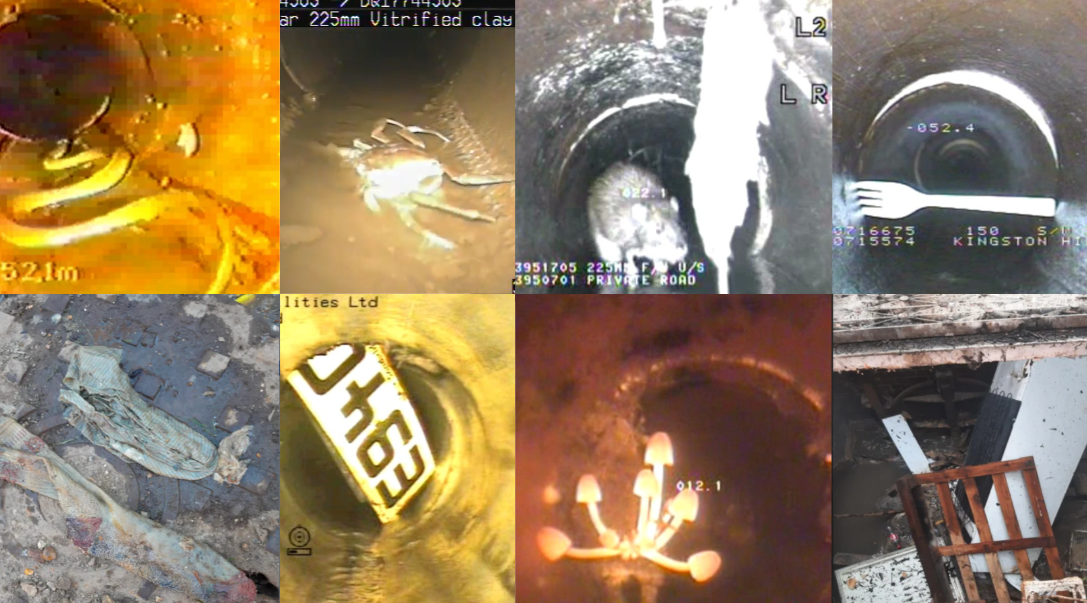
From crabs and snakes to number plates, and even a gargantuan fridge lodged in a manhole, Thames Water’s engineers have uncovered a host of strange and spooky items lurking beneath the streets this year.
On a normal day, when the pipes are flowing freely and there’s a sudden blockage the team would expect to find a fatberg, caused by wipes or fats, oils and grease (FOG) as the prime suspects.
However, this Halloween season has proved to be a bit otherworldly across the network, with Thames Water’s cameras capturing the weird and grotesque evidence of sewer misuse underground.
In the Thames Valley region one of Thames Water’s inspection cameras identified a slithery guest in its pipe, a corn snake miles away from its usual home in overgrown fields of the United States, suspected to be an abandoned pet that was flushed into the network.
Other ghoulish subterranean drifters that were found lingering in the sewers included a pack of rats, which were prominent in the deep depths of the London wastewater network, accompanied by live crabs crawling its way through the piping.
These creatures would have ended up in the sewers unintentionally, as sometimes flooding caused by heavy rain, can pull these unwilling victims into the abyss.
There are much more peculiar things at play, especially when it comes to household items that end up in the sewer, which may have been thrown in there intentionally.
Fridges, televisions and mobile phones have all been retrieved from Thames Water’s sewers as they were causing a blockage in the network, pointing to clear sewer misuse or worse, fly tipping.
Blocked drains and sewers can lead to flooded streets, sewage backing up into homes and costly repairs. Many blockages are caused by everyday items being flushed down toilets or poured down sinks when they shouldn't be, with wet wipes being one of the most common culprits.
These ghoulish and rancid finds serve as a haunting reminder that only the three P’s – pee, poo and (toilet) paper should be flushed down the loo.
Tim Davies, Head of Waste Operations (North London) at Thames Water, said:
“We look after more than 100,000km of sewers across London and the Thames Valley so our teams often come across unusual items in the system. While these discoveries can be surprising, it's an important reminder that only the three Ps - pee, poo and toilet paper - should be flushed down the loo.
“When flushed, wet wipes (even if the packet says flushable), sanitary products and cotton buds cause blockages, leading to sewer flooding of homes, pollution to local rivers and disruption for customers and the environment. By putting them in the bin instead, everyone can help keep our sewers flowing and prevent damage to homes and rivers.
“To provide some context on how big the issue is we remove 1,000 tonnes of un-flushable material from just one of our sewage treatment works every month.
“And while we've seen plenty of strange things over the years inside our sewers, it goes without saying we ask people not to dispose of their TVs or any other household items down the drain. On the rare occasions we find animals in the sewer network, our teams work with specialist rescue organisations wherever possible to help ensure they are recovered safely and receive any care they need.”
Thames Water services over 16 million customers and spends over £40 million every year clearing around 75,000 blockages from its sewer network.
Find out about Unblocktober, a national campaign and awareness month to improve the health of drains, sewers, watercourses and seas.