

Keep Christmas out of the drains: Grandchild of the Whitechapel fatberg delivers a festive warning

- Thames Water engineers have uncovered a new fatberg in Whitechapel
- Dubbed ‘the grandchild’ of the 2017 fatberg, the mass of congealed fats, oils and greases is estimated to be 100m long and weigh 100 tonnes
- Thames Water sees a seasonal rise in blockages due to fats oils and greases from festive meals being poured down drains during December and January, with clearance costs totalling £2.1 million over the two-month period.
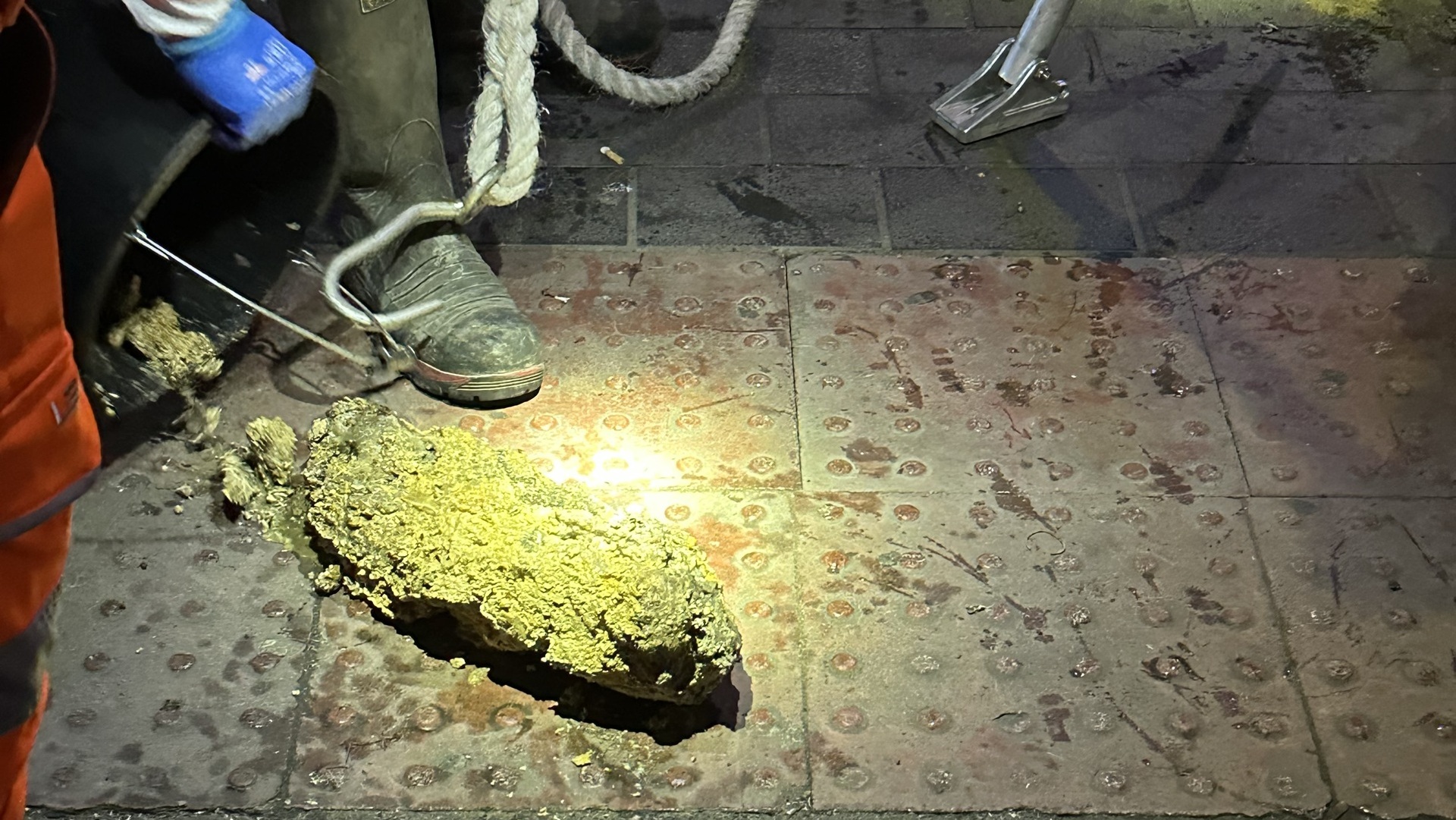
Thames Water is urging residents to think twice about what they pour down sinks and flush down toilets this Christmas, after engineers uncovered a new fatberg in Whitechapel, London.
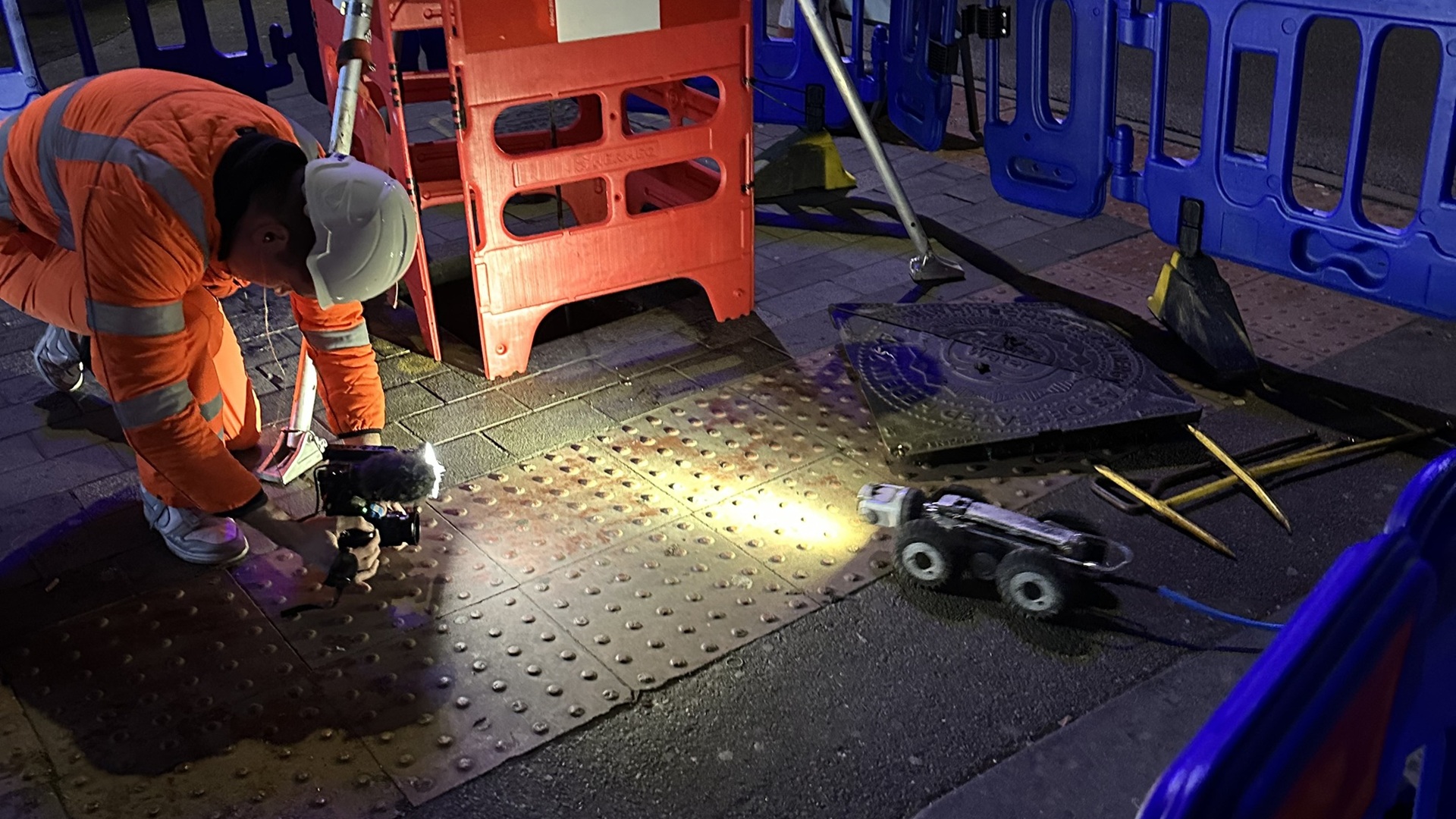
The newly discovered “grandchild” fatberg is a solid mass of congealed fats, oils, grease and non-flushable waste. Estimated to stretch for around 100 metres and weigh approximately 100 tonnes, it serves as a stark reminder that what goes down the drain doesn’t disappear, and that the cost of clearing it is ultimately paid for by customers.
Fat, oils and grease cause more than 20,000 blockages every year across the Thames Water network, accounting for 28% of all sewer blockages. The company sees a seasonal rise in blockages during December and January, with clearance costs totalling £2.1 million over the two-month period.
Research commissioned by Thames Water has revealed that households across London and the Thames Valley are unknowingly contributing to blocked pipes, polluted waterways and increased risk of internal flooding through everyday disposable habits.
According to a recent survey*, more than 40 per cent of people had poured meat juices down the sink, 39 per cent gravy, 18 per cent animal fats including lard, 28 per cent cream, 21 per cent custard and 10.5 per cent hummus – all fatty and oily substances that can congeal in pipes and block them up. They can wreak havoc on drainage systems and, in the worst cases, lead to homes and gardens being flooded with sewage and pollution in our rivers.
Tim Davies, Head of Waste Operations for North London at Thames Water, said: “This latest fatberg shows exactly what happens when fats, oils and wipes go down our drains- they don’t disappear, they build up and cause serious damage. The cost of clearing blockages and repairing sewers runs into tens of millions of pounds every year, and that money ultimately comes from our customers.
“This Christmas, keeping fat, oils, gravy and cream or custards out of sinks and only flushing the three Ps (pee, poo and toilet paper) is a simple action that can help prevent flooding, pollution and millions of pounds in avoidable costs. Now this fatberg has been discovered, we will prioritise its extraction, which could take weeks to complete.”
Blockages caused by fats, oils and grease are also the leading cause of internal flooding in homes, as well as a major contributor to sewer pollution incidents, creating disruption, environmental harm and avoidable expense for both households and the wider water network.
With cooking, entertaining and hosting increasing over the festive period, Thames Water is reminding residents that small changes in the kitchen (and bathroom) can help reduce pressure on sewers – and keep costs down for everyone.
Thames Water is sharing top tips on how residents can go about starving the fatbergs this festive season:
- Scrape food scraps from any dirty dishes, pans or utensils into the bin, or ideally a food waste caddy and not into the sink.
- Ensure your plughole has a strainer fitted to catch food scraps and prevent them from going down the drain.
- Don’t pour liquid foods down the sink i.e. fats, gravy, oil, custard, cream.
- To dispose of surplus hot oil, let it cool, then scrape it into the bin or consider storing it in a container to take to the local recycling centre.
- Avoid pouring boiling water or bleach down the drain – this only moves the problem further down the pipes and does not resolve the issue.
- Only flush the three Ps down your loo – Pee, Poo and (toilet) Paper. Do not flush wet wipes, cotton buds or paper towels.
- Always clean your drain regularly – if it looks like it’s draining poorly, better to sort it sooner rather than later.
Find out how you can starve the fatberg on Thames Water’s ‘Bin It - Don’t Block It’ page.
*The research was conducted by Opinion Matters, among a sample of 2,501 adults (18+) living in London, Oxfordshire, Wiltshire, Berkshire, Surrey and Buckinghamshire. The data was collected between 29.10.2025 - 06.11.2025. Opinion Matters abides by and employs members of the Market Research Society and follows the MRS code of conduct and ESOMAR principles. Opinion Matters is also a member of the British Polling Council.