

Current and future trends
We live in a changing world. As we look ahead to the next 25 years, it's clear that we'll encounter a distinct set of challenges compared to those of the past. Many are already affecting our drainage and wastewater services and will continue to do so in the future.
Here we show examples of future trends that will impact the DWMP.

Climate change
Over the next 25 years, we’re expecting extreme weather events to become more frequent, and generally wetter winters and drier summers. Weather events like these can create major challenges for our wastewater services and drainage assets.
Climate change may also impact:
- Sewer flows
- Water quality
- Ground conditions
- Sensitivity of receiving water courses
DWMP28 will aim to:
Future-proof our assets against changing weather.

Growing population and demand
By 2055, our region’s population is expected to increase significantly. This growth will drive the development of new homes, communities and infrastructure, placing a greater demand on our wastewater systems.
That’s why we’re investing in smarter, more resilient drainage solutions to help deliver a reliable service for all – now and in the future.
DWMP28 will aim to:
Support our assets having capacity for future growth, treating to the required standards, and being delivered at the right time.
Emerging contaminants in the environment
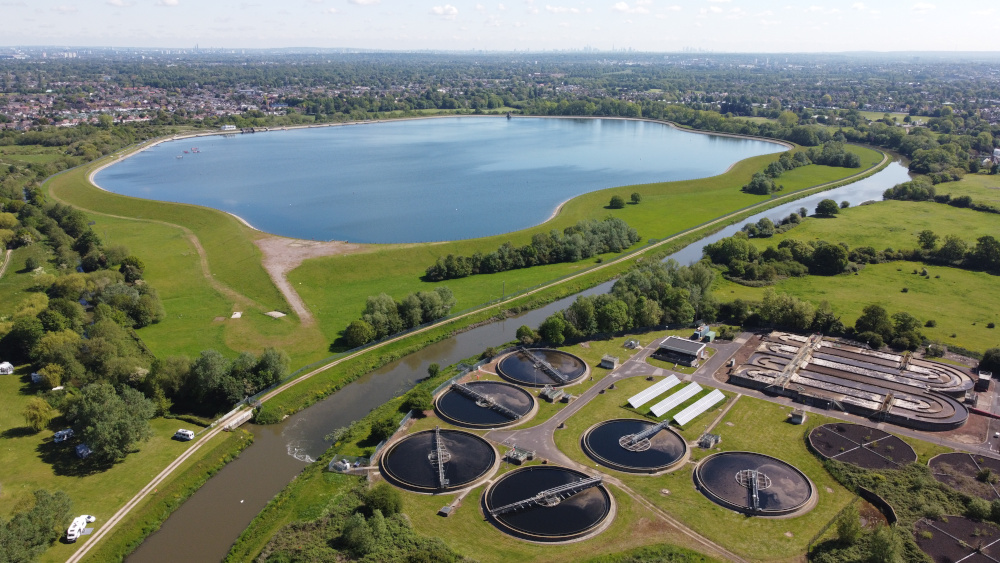
Growing awareness of emerging contaminants is prompting regulators and society to expect tighter standards. These substances can pose risks to health and the environment and may require stricter discharge standards in the future.
To meet these expectations, we may need to adopt new, more advanced treatment technologies. These solutions may be more energy-intensive, so we’re exploring innovative ways to balance environmental protection with long-term sustainability.
DWMP28 will aim to:
Widen its scope to include the Water Industry National Environment Programme (WINEP) and develop more innovative interventions.
Carbon pricing and taxes
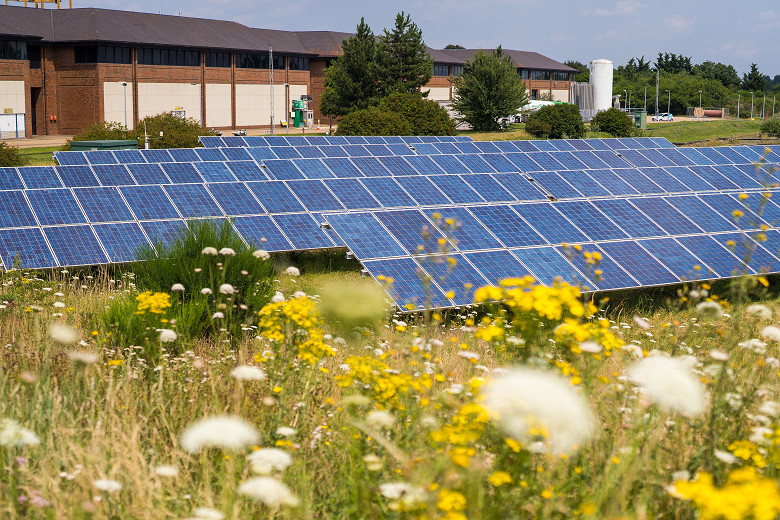
The cost of carbon and other greenhouse gas emissions linked to wastewater services may rise, driven by our pursuit of net zero carbon by 2050. This shift will put greater focus on reducing emissions across our operations.
To respond, we’re exploring low-carbon and nature-based solutions that support a more sustainable future. These approaches will help us cut emissions while continuing to deliver reliable, efficient wastewater services.
DWMP28 will aim to:
Identify, evaluate and deliver value over the long-term.
Ageing assets
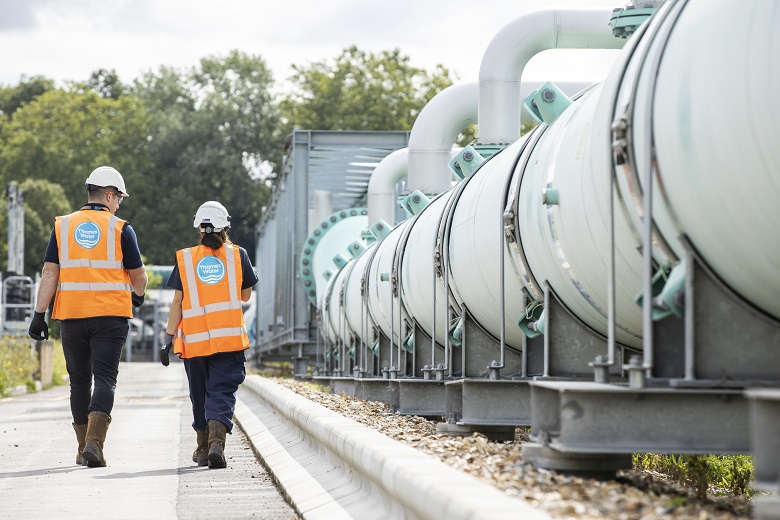
We manage a vast and complex wastewater network serving over 16 million customers across London and the Thames Valley. With 352 treatment works and 110,000km of sewers - some dating back to the Victorian era - maintaining system resilience is essential.
We’re increasing our focus on adaptability to ensure a reliable service under a wide range of future pressures. The National Infrastructure Commission highlighted the importance of resilient systems and how to achieve this via a proactive framework and adaptive pathways. We need a system that can withstand future shocks, like the Covid-19 pandemic, and continue to serve our communities sustainably.
DWMP28 will aim to:
Deliver resilient infrastructure, and long-term planning using adaptive pathway approaches to provide the services our communities rely on.
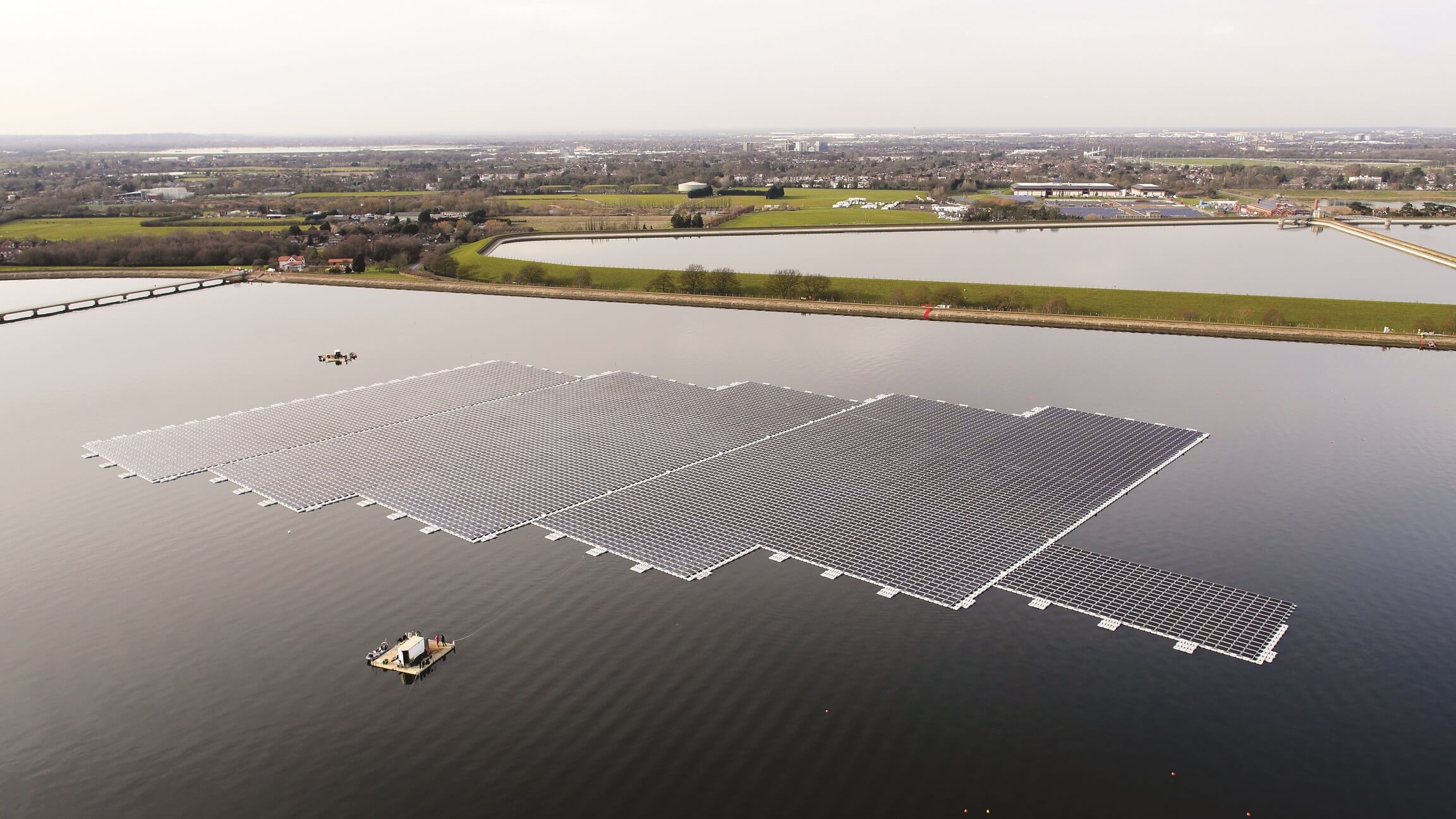
Innovative technologies
Rapid advances in technology are reshaping how we manage wastewater, with major implications for our long-term plans and investments. Automation and AI can help us make better use of existing assets, reducing the need for new infrastructure.
We’re also seeing improvements in sewer rehabilitation techniques, which help reduce groundwater ingress and extend asset life. Embracing these innovations will make our systems more efficient, proactive, and sustainable for the future.
DWMP28 will aim to:
Optimise potential technological advancements that support further efficiencies and opportunities for collaboration.

Changing customer habits
Every day customer habits can have a big impact on our drainage and wastewater systems. Misconnected drains, blocked sewers, and paved-over green spaces can all lead to flooding, pollution, and environmental harm.
That’s why we support a mix of education and changes to legislation to drive improvement. By raising awareness and encouraging different behaviours, we can reduce blockages, protect rivers, and improve the resilience of our wastewater network.
DWMP28 will aim to:
Include options that target customer behaviour and shape government policy.
Our Strategic Context Supporting Document on Future Trends will be coming soon.